
Glossary
Riseball
A riseball is a fastpitch softball pitch thrown with backspin from a low release so it moves up through the top of the strike zone, getting swings under the ball.
The pitcher releases the riseball low and spins it backward, like a football spiral turned on its side, so the ball carries and moves upward compared with a fastball on the same line. Whether it truly rises or only drops less than the hitter expects, the effect is the same: the batter swings at where the ball should be and comes in underneath it.
It is a pitch for the top of the zone and just above it. A riseball that starts at the belt and finishes at the letters gets swings and misses and pop-ups, and one thrown a little higher can tempt a batter to chase. The same pitch thrown too low is a flat fastball in the hitting zone, so pitchers work the riseball off the dropball and change-up, which stay low.
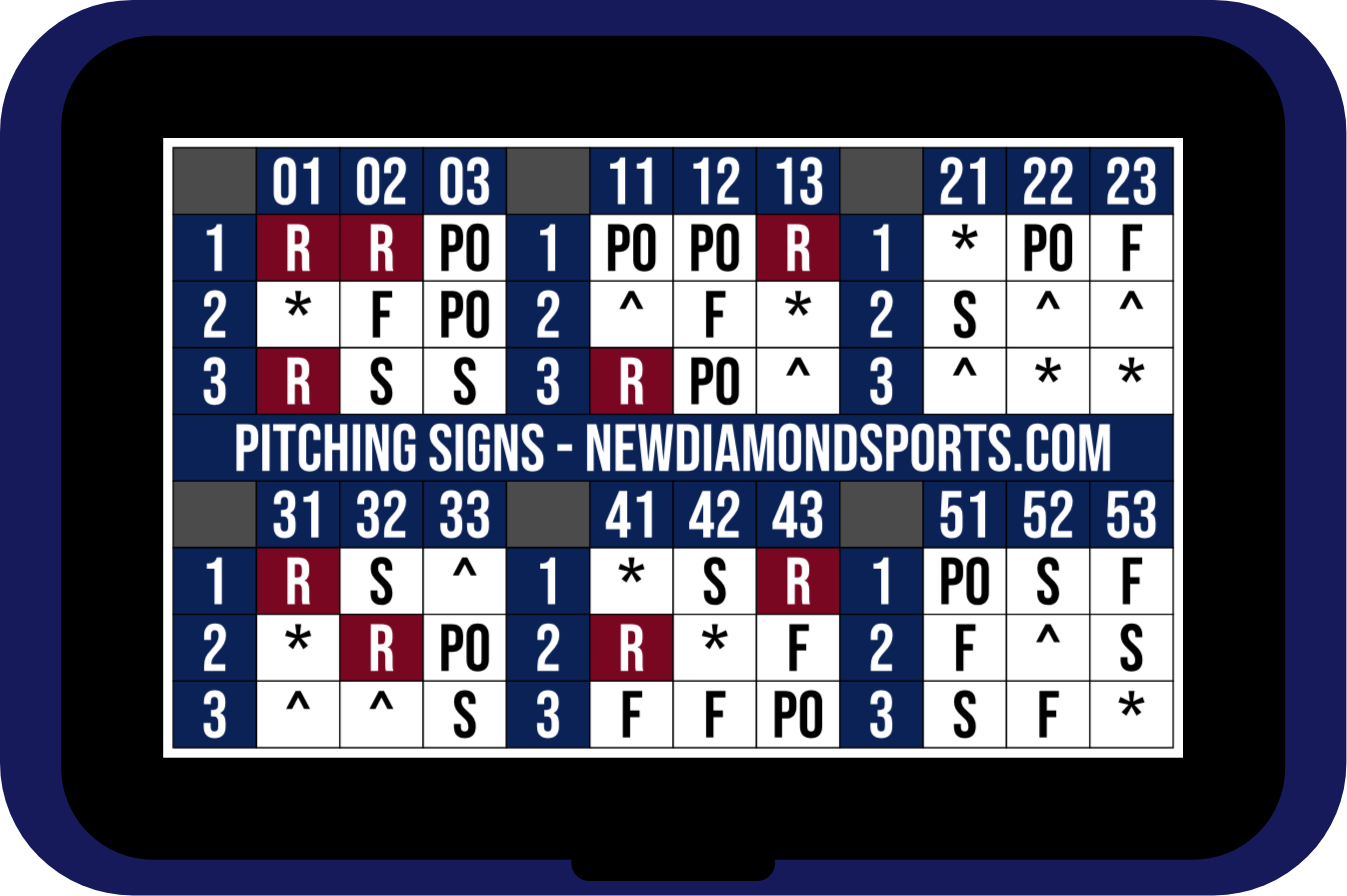
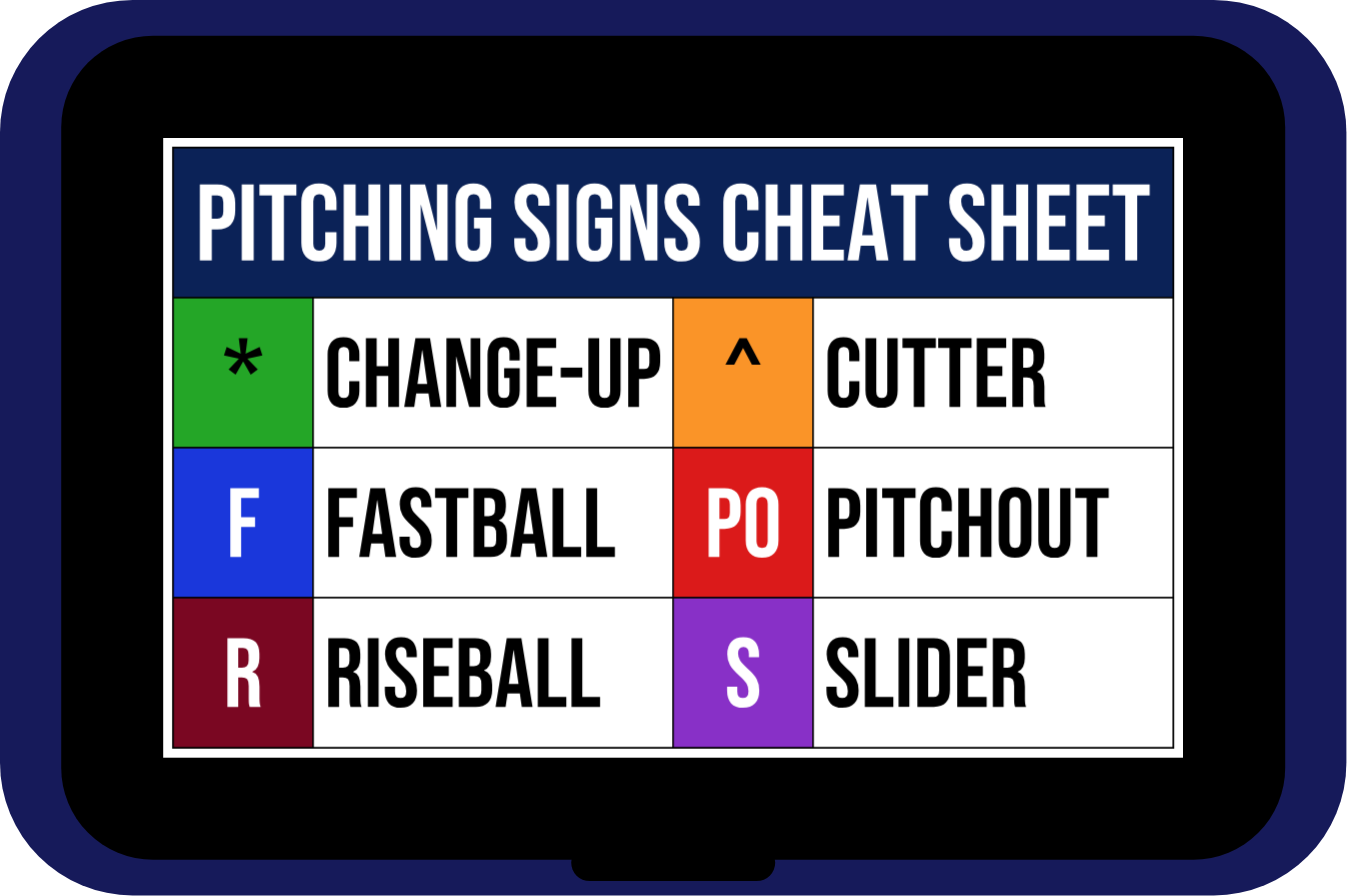
On a pitch calling card it is its own call, usually with a location above the zone, and a catcher sets up high for it. Many teams pair it with the dropball in their signs, because changing the batter's eye level between the two is what makes both work.
When to call it
- Two strikes on a batter who has been swinging under nothing but rising pitches.
- After a dropball low in the zone, to change the hitter's eye level.
- A runner on third and fewer than two outs, when the defense wants a pop-up rather than a ground ball.
Put it on a card: Pitch calling cards.
Sample wristband and cheat sheet
Frequently Asked Questions
Does a riseball really rise?
It moves up compared with a pitch thrown without backspin, so to the batter it looks like it rises. Whether it ends higher than it was released depends on the pitcher's speed and spin; what matters is that it stays up while the batter expects it to drop.
Is there a riseball in baseball?
No. The riseball comes from the underhand fastpitch motion, which releases the ball below the strike zone. An overhand pitcher's high fastball has backspin too, but it is thrown downhill and does not move the same way.
More in the glossary
Start free. Upgrade when your season needs it.
The free plan includes one team and one of each document type, with no license fee and no credit card. Paid plans start at $2.50 a month billed annually, cancel anytime.
No credit card required. Free plan available.